Three Now; Three Then: The Valuable Impact of Canadian Poetry Books in the 21st Century
First, two disconcerting notes.
2026 marks the first year that NO Canadian poetry books were even longlisted for the Griffin Prize.
A few years prior, in 2024, an assemblage of twelve interviews with Mancunian Evan Jones [1] was published, ostensibly with Canadian poets, though only four seem accepting of that appellation and many utter statements such as “I read more European writers than Canadians” (Don Coles), claim they are “faintly embarrassed to be called Canadian” (Marius Kociejowski) and diss poets like Al Purdy (“informed ignorance”) and Earle Birney, whom Mexican Michael Schmidt dubs a “colossal joke.” He also says that “Nationalism is not a necessity” and that it only emerges “at times of revolution,” asserting that poets like Ormsby and Sibum are “free” as they don’t identify with a Canadian identity.
Come on. Inaccurate. Unfair. Sad. Plain old bosh.
Such exclusions and reductiveness are inexcusable. There are countless worthy contemporary and foundational poetry books that I have found myself re-reading and recommending to others, recently and over the years. Here is a tiny sampling. Three recent releases and three published in the earlier years of the 21st century, between 2004 and 2008, that continue to form essential foundations.
If we can’t celebrate ourselves, how does anything, on the international scale, change for the better?
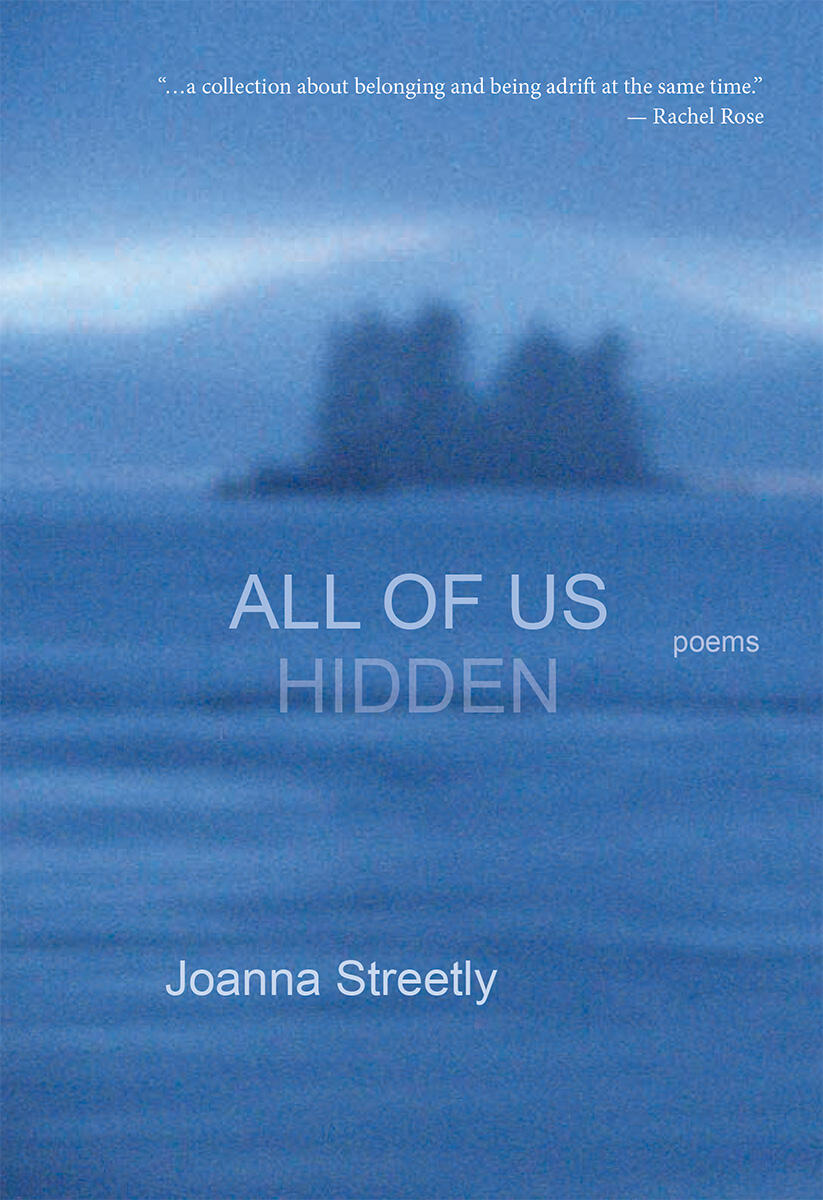
All of Us Hidden by Joanna Streetly (Caitlin Press, 2025)
All of Us Hidden by Joanna Streetly (Caitlin Press, 2025) is a deep winding through familial loss and environmental torment, indigenous awarenesses and parental yearnings. In its five sections of intense lyricism, it is not only eminently readable but also an emotive excursion into ways of seeing and being that many of us might not otherwise be able to access and thus be stirred by. Streetly's exquisite rhythms are particularly rupturing and memorable. Listen: "Ahead, a great space of water/ripples with regret, the past/all its human failure, clouds cold/with the animate breath of the dead” (Cave Songs).
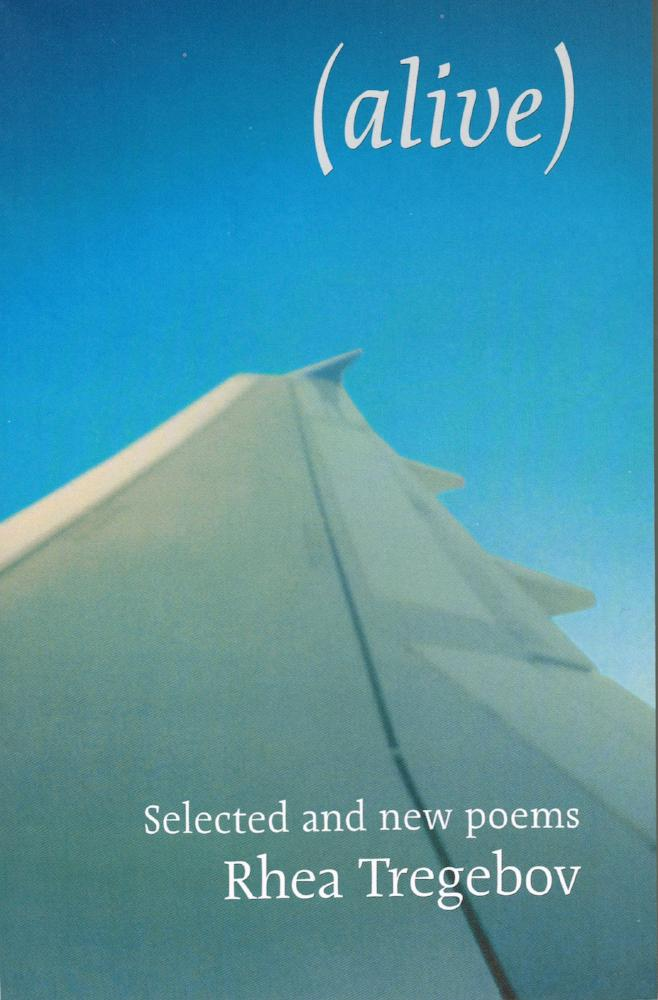
(alive): Selected and new poems by Rhea Tregebov (Wolsak & Wynn, 2004)
Rhea Tregebov’s (alive): Selected and new poems (Wolsak & Wynn, 2004) offers poignant delves into her five prior releases plus newer pieces, lyrics and elegies that represent a range of intimacies: mothering, caring for aged parents, the body’s anticipated and unexpected torments, sudden deaths. The direct address of a woman to her life is an utterly shaping force for those poets who have emerged since, aching to speak their daily and once-silenced truths such as the “small losses or full…the dense gifts.”
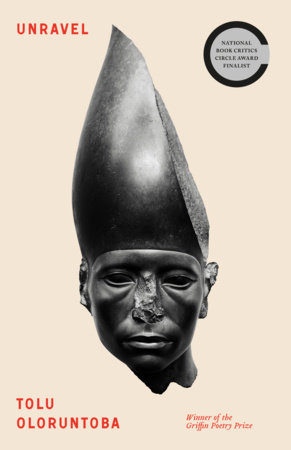
Unravel by Tolu Oloruntoba (McClelland & Stewart, 2025)
Tolu Oloruntoba’s Unravel is manifestly diverse (McClelland & Stewart, 2025). There is a found piece, a lengthy cento, poems in numbered segments, prose chunks, and a tree-shaped concrete poem. Poems are rife with questions (“Did I/place, or/abandon/you out/there? Think/the rain would do my work?) or statements of poignant acknowledgment (“I’d thought hatred would save me;/ then I thought love would save me, /before I thought poetry would save me”). Unravel’s strongest pieces are ones such as “Still Life with Bananas” where Oloruntoba nods to our combinative origins with a fruit that is “three-fifths of me, by DNA…your fingers are mostly water, like mine,” a banana also one of the “reluctant immigrants” that has suffered the “yellowing of ethylene rooms.” A stunning and discombobulating feast.
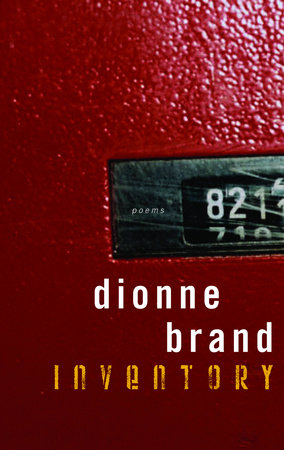
Inventory by Dionne Brand (McClelland and Stewart, 2006)
Inventory by Dionne Brand (McClelland and Stewart, 2006) is an always-startling long poem about the implications of existing in the post-modern, post-colonial city in which belief is compromised, consumerism rife, wars incessant. She confronts us with our lazy destructiveness in lines of horrifying beauty: “six boys, fast food on their breath, /luscious paper bags, the perfume of grilled offal/troughlike cartons of cola, /a gorgon luxury of electronics.” Such a voice in Canadian poetry has gone far to establish the validity of the vatic within the documentary mode. And she ends with the deepest forms of happiness, elaborating a balanced tone that has given poets a model for how to impart what matters and have it be hearable.
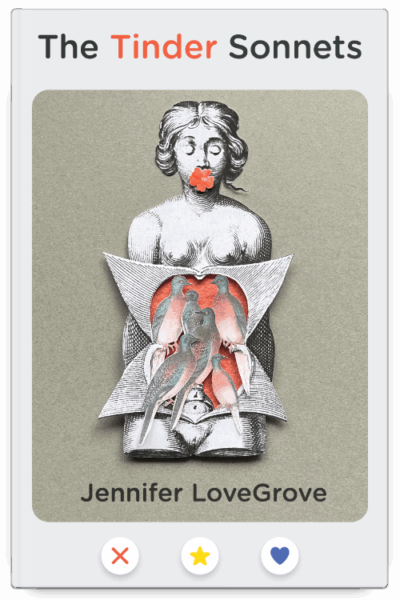
The Tinder Sonnets by Jennifer LoveGrove (Book*hug Press, 2026)
Jennifer LoveGrove’s The Tinder Sonnets (Book*hug Press, 2026) is a spankingly fresh collection of revolutionarily unrhymed sonnets in titled triptychs that alternately narrate a series of dates with E - who fluctuates between online and offline, being possessive and detached, "minutes" becoming "mirrors" then "manifestos," and Oulipo-style constraint games that involve variant questions, as in "That time you made me a flow chart of our relationship" where the query, "Did your father betray your mother?" becomes "Did your fault betray your motif?" It's mind and gut and heart blowing: "Though I am invisible now, I still/ have to be young and thin and beautiful. / I tear off tiny pieces of myself/every day." Like Sharon Olds meets Lisa Robertson then smashes up (respectfully) Charlotte Smith's 1783 Elegiac Sonnets in a peri-menopausal prowl through the sad wilds of online dating.
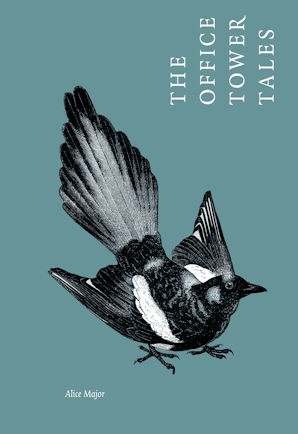
The Office Tower Tales by Alice Major (University of Alberta Press, 2008)
And for the final (for now) foundational book of 21st century Canadian poetry, Alice Major’s The Office Tower Tales (The University of Alberta Press 2008) draws from structures found in epic texts The Thousand and One Nights and the Canterbury Tales to create a completely unique set of researched fables featuring the Edmontonian office worker characters, Aphrodite, Pandora and Sheherazad, the story teller. Female voices relating narratives of love, aging, work and loss are vivified, validated. And Major’s ear! Let’s hear the beginning of the Prologue to this adventurous, ambitious and alas, underrated tome: “April’s entrance. A city on the plains/gives frost the silver brush-off.... /The planet’s orbit spins into the phase/of northern warmth/like a coffee mug revolving/slightly off-centre in a microwave…/Black-billed magpies, /rhomboids with long tails, usher spring…She glances at her wristwatch/and begins.”
Poetry doesn’t expire after a publisher’s funded few months of promotional possibilities, and Canadian poets have been and are producing wild, experimental, intelligent and sonorous books of poems that have indubitably earned their places in the world’s literary pantheon.
[1] Jones, Evan. The Civilizing Discourse: Interviews with Canadian Poets. Montreal: Vehicule Press, 2024.